History by the River
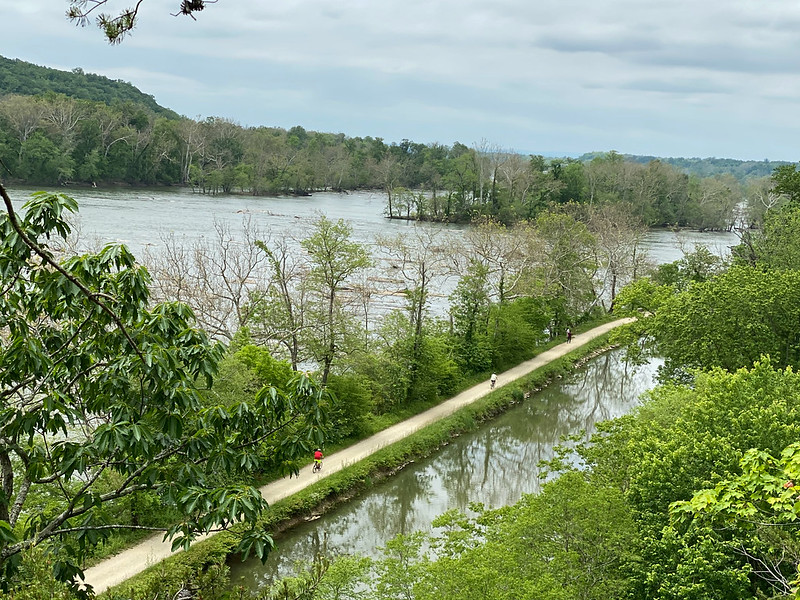
Visitors to this park can check out interpretive signage by the parking lot and hike more than seven miles of natural surface trails through a landscape rich in the natural and cultural history of the Potomac Valley.
The Potomac River holds deep significance to the Piscataway and Indigenous groups who traveled through this region. Its name comes from “Patawomeck,” a word from the Algonquin language group. .
Proximity to the river brought Union troops here and throughout the nearby Muddy Branch stream valley during the Civil War (1861-1865). They camped here, building three blockhouses facing the river and kept watch for raiding Confederate troops from within their fortified walls. In 1864, while Union forces were in Washington helping defend the city, Confederate troops burned the blockhouses and camps. Archaeological excavations uncovered the camp remains, inlcuding troop’s personal belongings.
Download the Blockhouse Point Conservation Park map to plan your next hike. (accessible map pdf)
Indigenous Relationships with Waterways
Montgomery County is bordered by the Potomac River to the west and the Patuxent to the east. Several stream valleys—Rock Creek, Sligo Creek, Northwest Branch, and Watts Branch among them—lace the county’s interior. For thousands of years, Indigenous groups lived along these river and stream banks and traveled their waters. Among these groups were the ancestors of the Piscataway, who are now primarily based in Southern Maryland.
Tight-knit Piscataway communities continue in Southern Maryland despite land loss, conflicts, forced removals, and 20th century assimilationist practices. In 2012 the state officially recognized the Piscataway Conoy Tribe and the Piscataway Indian Nation.
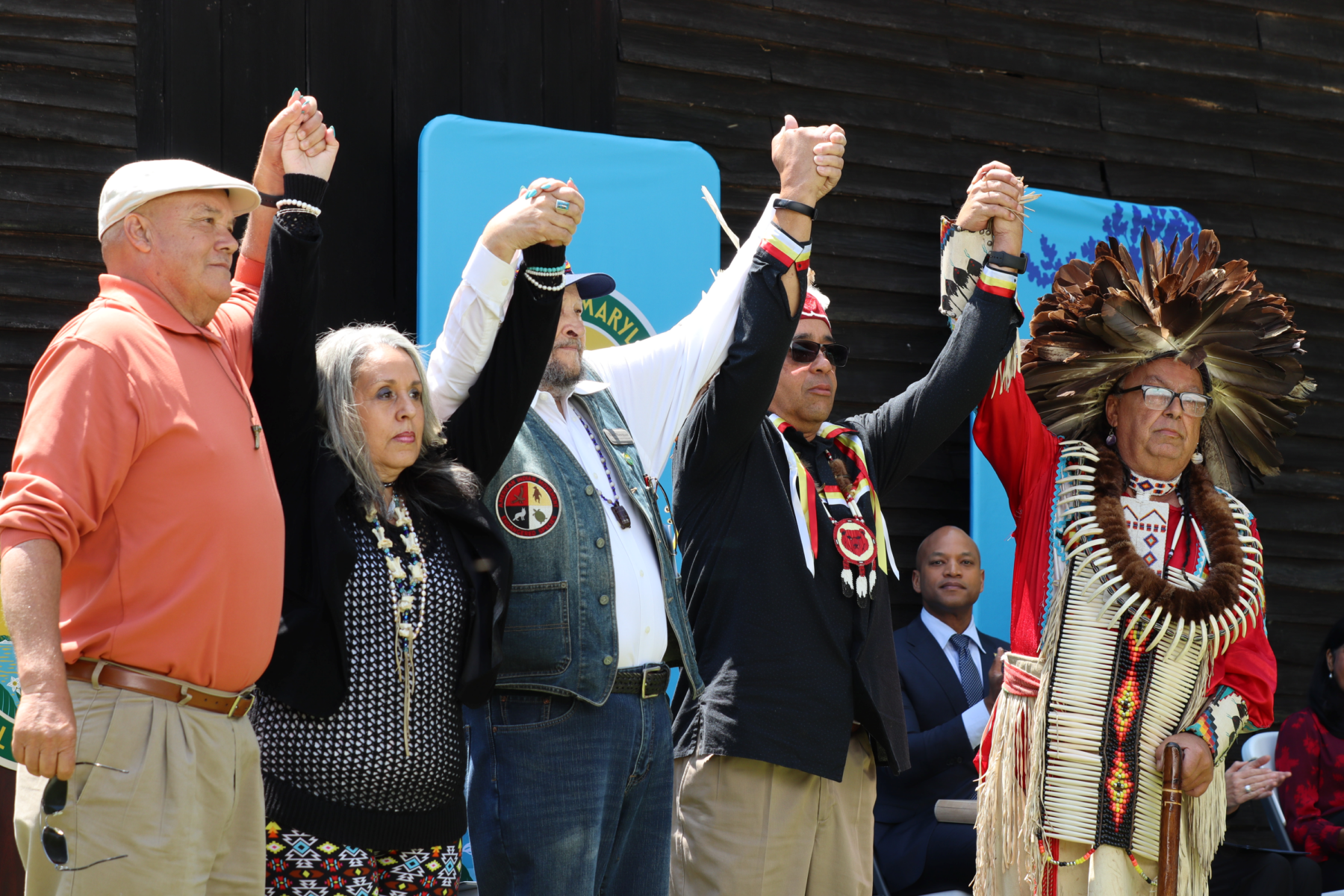
The word “Piscataway” means “where the waters blend.” To the Piscataway, waterways are sacred, connecting them with all living things—past, present, and future.
Want more history in the park?
Montgomery Parks has great offerings for history buffs. The historic sites explore the county’s rich African American heritage and what life was like in the early years of the county. Check out the available tours and attractions at our historic sites. Group tours are available at Woodlawn Manor Cultural Park. Oakley Cabin is a living history museum and tours and events delve into the deep history of Montgomery County.
Regularly scheduled guided hikes happen all year long. Go to our calendar to search and sign up.